It rarely arrives as a strategy problem. It arrives earlier than that.
By the time it reaches the deck, it's downstream. What actually degrades under sustained pressure is quieter — the quality of attention in the room, and the range of options a team can still hold open.
The shapes it usually takes.
The postponed conversation
The hard thing that keeps getting deferred — and compounds with every quarter it waits.
Decisions re-litigated
The same call made again and again, because the real disagreement underneath never surfaced.
The system that can't think without you
A culture still running through one person — so it narrows the moment you step out of the room.
Narrowing under load
A team that collapses to a single hypothesis the instant the threat rises, instead of staying open.
Scaling entropy
Structures the organization has outgrown — moving faster than they can comfortably hold.
Clarity that won't hold
You find the answer in a calm moment — and lose it the instant the pressure returns.
Not advice-giving. A discipline.
I don't hand you my answers. I widen what you and your team can still consider, keep hard decisions open long enough to be made well, and build the conditions where a group keeps learning instead of narrowing. Rigour over rapport — I'll name what I see, including the things that are hard to hear.
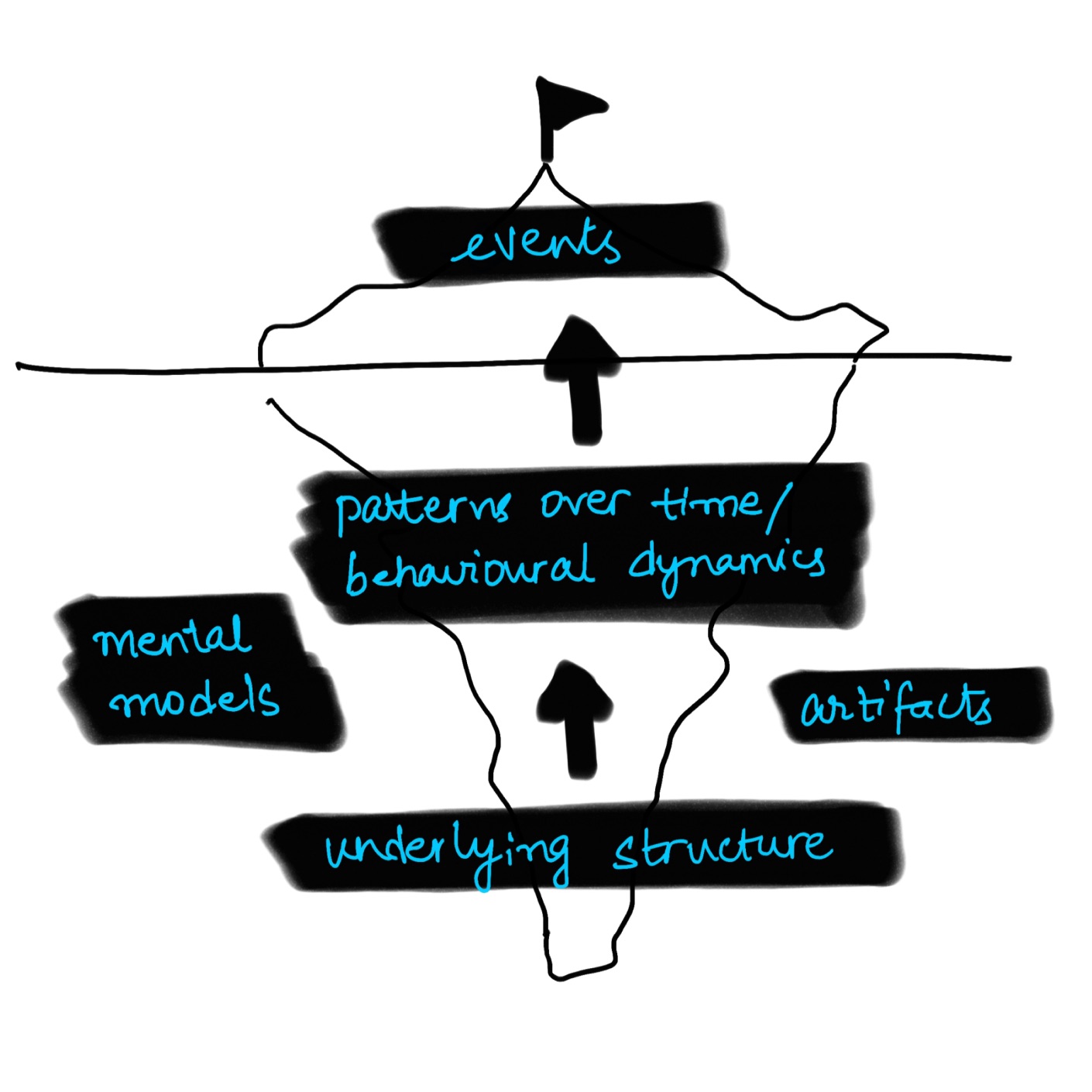
Systems thinking
In the lineage of Peter Senge and the MIT Centre for Systems Awareness — seeing the structure that produces the behavior, not only the behavior.
Somatic practice
The body's regulation as a real input to the mind's range — not as metaphor, but as mechanism.
Organizational learning
Drawing on Argyris and Schön, Weick, and Edmondson — what actually lets teams keep learning under load.
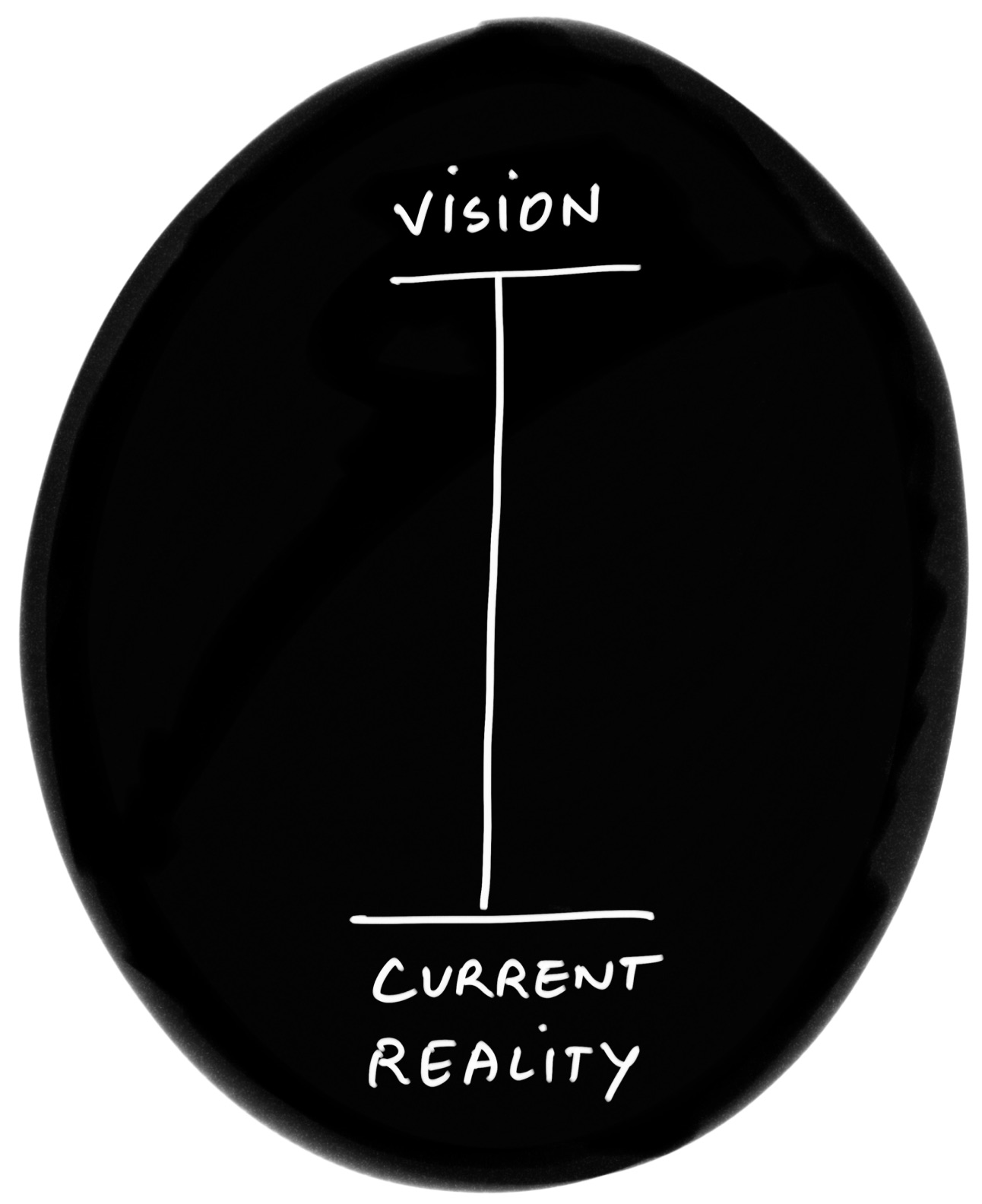
The gap between vision and current reality.
Peter Senge's insight: the gap between where you want to go and where you actually are creates a natural tension. That tension is not a problem to eliminate — it's the energy source for real change.
Most leaders either lower their vision to relieve the discomfort, or deny current reality. The work here is learning to hold both — clearly, without collapsing either.
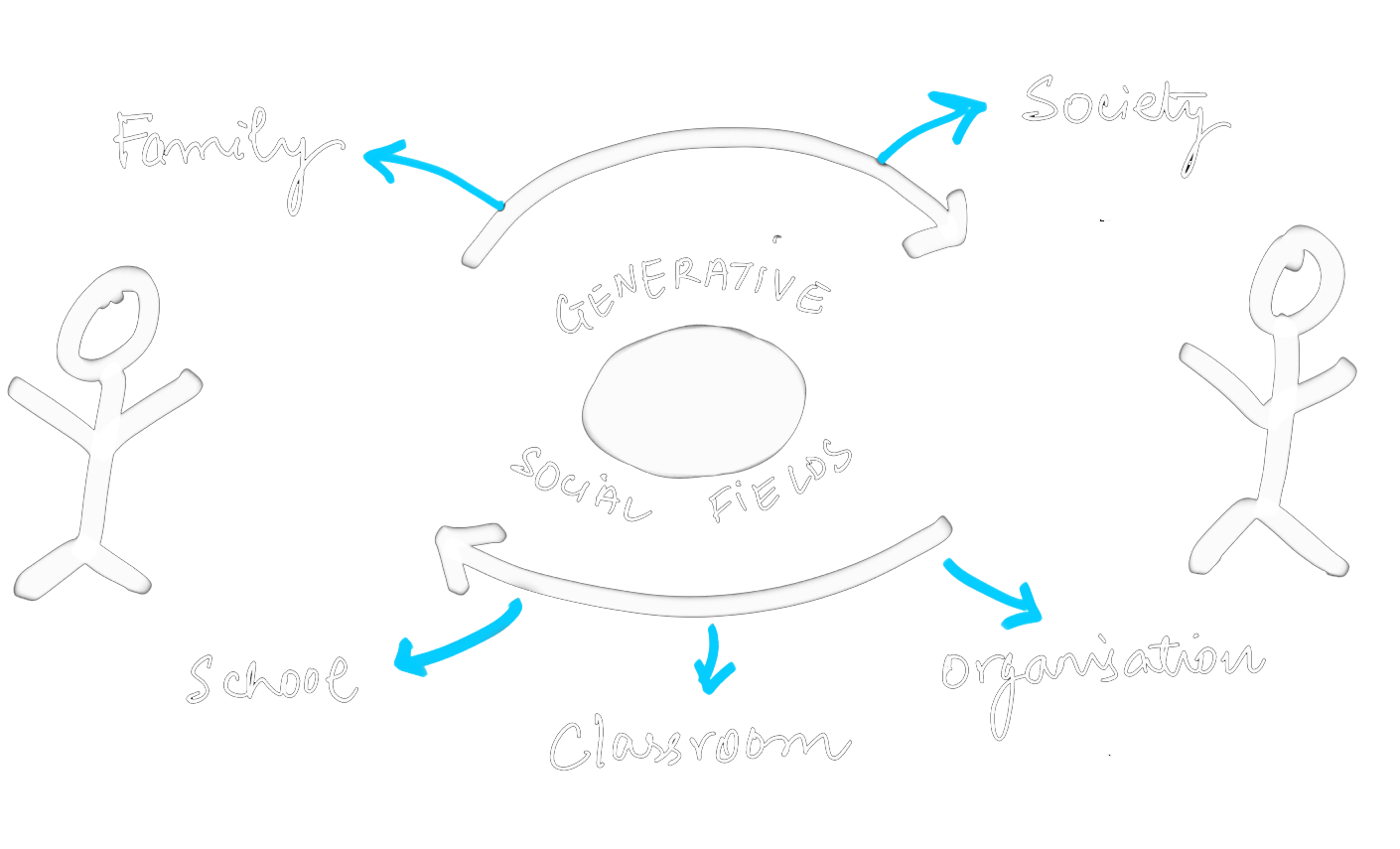
The field a team creates together.
Most of what limits a team isn't strategy — it's the invisible quality of how they listen, speak, include, and trust. The work changes that field, so people feel safe enough to be seen, heard, and to think out loud again.
That's when learning becomes possible and the hard conversations finally get had.
The outcome isn't a session. It's a system that thinks better under fire.
Six things that change — measured in the texture of decisions, not the number of meetings.
Decision quality under pressure
Hard calls kept open long enough to be made well — fewer reversals, less re-litigation, conviction that holds.
A leadership team that aligns
Senior teams that surface the real disagreement instead of routing around it — and leave genuinely committed.
Learning that renews, not depletes
Conditions where people can err, recover, and grow — instead of the system quietly spending down their capacity.
Operating rhythms that scale
The cadences and structures an organization needs as it outgrows the ones that got it here.
Founder capacity that compounds
Clarity and judgment that stay with the founder after the engagement ends — not a dependency on the coach.
Culture as an operating system
The invisible code that shapes how people act — made visible, and rebuilt where it's breaking.
Four stages. Open any one.
We start by mapping the system, not the symptoms — where decisions actually get made, where information gets stuck, and where the pressure is quietly costing the organization its range. The output is a shared, honest picture of the structure beneath the noise.
The work happens inside live decisions and real tensions — not a workshop bubble. I sit with the leadership team as it makes hard calls, and use those moments to widen what the group can hold and keep the right conversations open.
The goal is never dependency. We build the rhythms, language, and habits that let the team keep doing the work without me in the room — so what changes is the system's own capacity, not just this quarter's outcomes.
Progress is visible in how the team behaves under load: decisions that hold, disagreement that surfaces early, a group that stays open instead of narrowing — observed in the minutes of a meeting, not the quarters of a strategy.
She creates a safe space for you to be vulnerable, and she works with YOU. Naina is an agent of change, and a source of wisdom — she's helped me build frameworks for my growth and identify meaningful levers to continuously level up.